
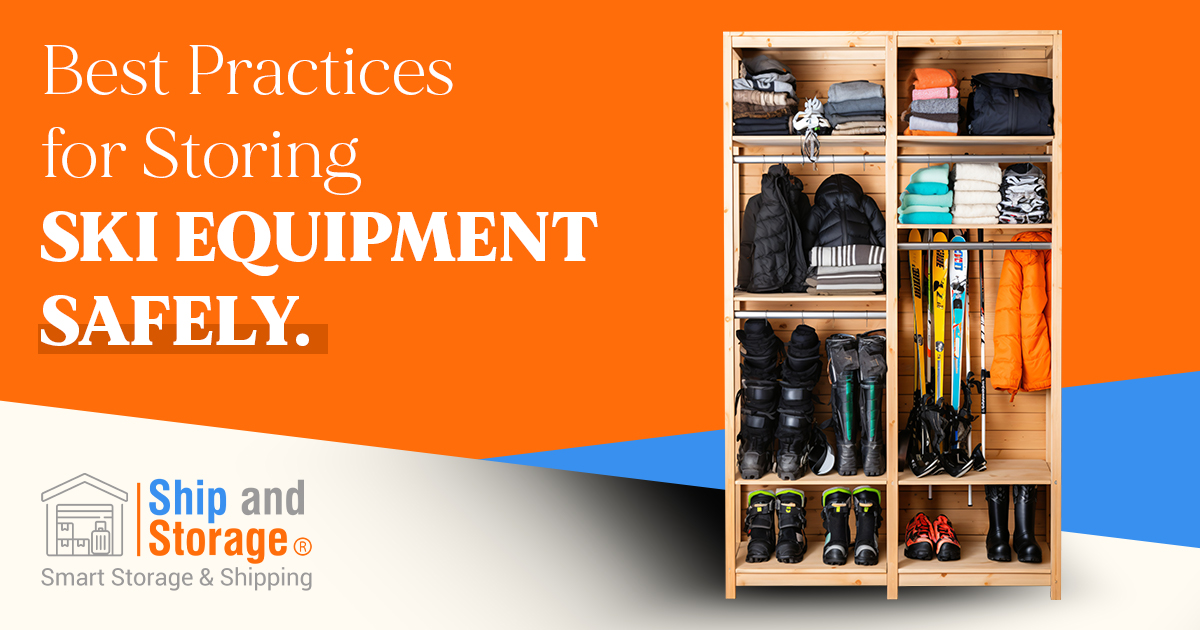
Best Practices for Ski Equipment Storage: Keep Your Gear Safe All Season
Ski Equipment Storage becomes essential once the ski season wraps up. After months of carving through fresh snow and pushing your gear to its limits, your skis, boots, and boards deserve proper care before they’re packed away. Whether you’re a casual skier or a frequent mountain regular, good ski equipment storage helps you protect your investment and avoid unpleasant surprises next winter.
For many skiers, the challenge is space. Gear is bulky, sensitive to temperature changes, and easily damaged if stored incorrectly. That’s why so many people now rely on organized storage solutions — especially the ones offered at ShipandStorage.com — to keep their equipment safe, dry, and ready for the next season.
Below is a simple, human-friendly guide to storing your ski equipment the right way.
Why Ski Equipment Storage Matters More Than You Think
Ski gear isn’t cheap. And even if you’re careful during the season, improper storage can still cause:
- Rusted ski edges
- Warped snowboard bases
- Brittle boot shells
- Moldy liners
- Damaged bindings
This is why more skiers look for storage near me when the season ends. A stable indoor environment, like the ones provided in secure storage units, protects your equipment from humidity, heat, and temperature swings that are common in garages and basements.
If you want to store skis safely, the environment matters just as much as the equipment itself.
Step 1: Clean and Dry Everything Thoroughly
Before moving anything into ski equipment storage, make sure your gear is completely dry.
Here’s what to do:
- Wipe skis and snowboards dry
- Clean salt or dirt from bindings
- Remove boot liners and let them air out
- Check for small cracks or loose screws
- Let everything dry overnight
If you want expert cleaning advice, check a trusted external guide like the Outside Magazine gear care tips.
Clean gear = long-lasting gear.
Step 2: Wax Your Skis and Snowboards Before Storing Them
Waxing before storage is one of the most important ski storage tips.
Why? Because:
- Wax prevents base drying and cracking
- It protects against oxidation
- It keeps edges from rusting
When preparing skis:
- Apply a thick storage wax coat
- Don’t scrape it off
- Loosen binding tension slightly
- Keep skis stored upright or flat on racks
If you prefer a step-by-step tutorial, check the REI waxing guide for simple instructions.
Proper waxing = better performance next winter.
Step 3: Choose the Right Environment for Ski Gear Storage
Your gear should be stored in a place that’s:
- Dry
- Indoors
- Away from sunlight
- Protected from temperature swings
- Clean and stable
This is why many skiers choose secure storage units instead of garages or sheds. Temperature extremes can warp boards, crack boots, and damage bases — especially during long off-seasons.
For added convenience, you can browse nearby options on ShipandStorage.com
Step 4: Snowboard Storage Needs the Same Attention
Snowboard storage follows the same ideas as ski equipment storage but requires careful attention to:
- Removing and loosening bindings
- Applying a generous wax layer
- Storing flat or vertically with support
- Avoiding hot attics or damp basements
If you need help organizing winter gear at home, external resources like Real Simple’s seasonal storage tips can give you creative ideas.
Step 5: Don’t Ignore Your Boots — They Need Proper Care Too
Ski boots often get neglected, but they’re one of the most crucial pieces of equipment. Bad boot storage = uncomfortable skiing.
For the best ski boot storage:
- Remove liners and dry completely
- Buckle boots loosely to keep their shape
- Store indoors at moderate temperatures
- Use boot bags to prevent dust buildup
Cold garages cause plastic shells to dry out and crack — avoid it if possible.
Step 6: When Professional Storage Makes Life Easier
If your home doesn’t have the space or environment to store gear correctly, this is where gear storage services become extremely useful.
Professional storage is ideal when:
- You have multiple sets of gear
- You live in an apartment
- You want clutter-free off-seasons
- You travel frequently
- You want climate-stable storage conditions
ShipandStorage.com offers temporary storage and long-term units designed specifically for winter gear. It’s a simple way to keep your equipment secure without sacrificing home space.
FAQs About Ski Equipment Storage
1. How should I store skis for the off-season?
Dry them, wax them, loosen bindings, and store them in a stable indoor environment such as a secure storage unit.
2. Should I store ski gear in the garage?
Garages often get humid or extremely hot/cold. Indoor storage is safer and protects the materials better.
3. Is waxing necessary before storing?
Yes — waxing is one of the best ski storage tips. It protects the base and keeps the edges from rusting.
4. How do I store ski boots properly?
Dry the liners, buckle the boots lightly, keep them indoors, and avoid direct heat.
5. Can snowboards be stored the same way as skis?
Absolutely — clean them, wax them, loosen bindings, and store them indoors or in a unit designed for winter gear storage.
6. What size unit do I need for winter gear?
A small unit is usually enough for skis, snowboards, boots, helmets, and bags.
7. How do I find storage near me?
Visit the ShipandStorage locations page to see available units nearby.
8. Can I store gear short-term between ski trips?
Yes — many skiers use temporary storage for convenience between trips.
Final Thoughts
Ski Equipment Storage isn’t complicated, but doing it correctly makes all the difference. Clean your gear, wax it, store it in the right environment, and protect it from moisture and heat. If your home doesn’t offer the space or conditions you need, ShipandStorage.com gives you reliable, secure, and convenient options for storing winter gear all year long.